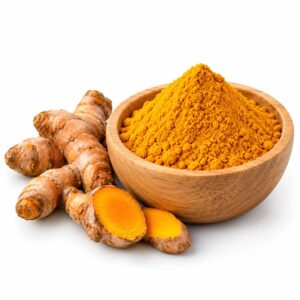











Organic Turmeric (Curcuma) Immunity + Antioxidant Curcumin Curcuma longa
Price range: 127 ฿ through 1 280 ฿
Delivery from Thailand takes 10 to 20 days. To find out the price, go to the cart.
Our prices, selection, and fresh products are worth waiting a couple of weeks for.
Be the first to hear about discounts, special offers, and new arrivals—leave us your email address.




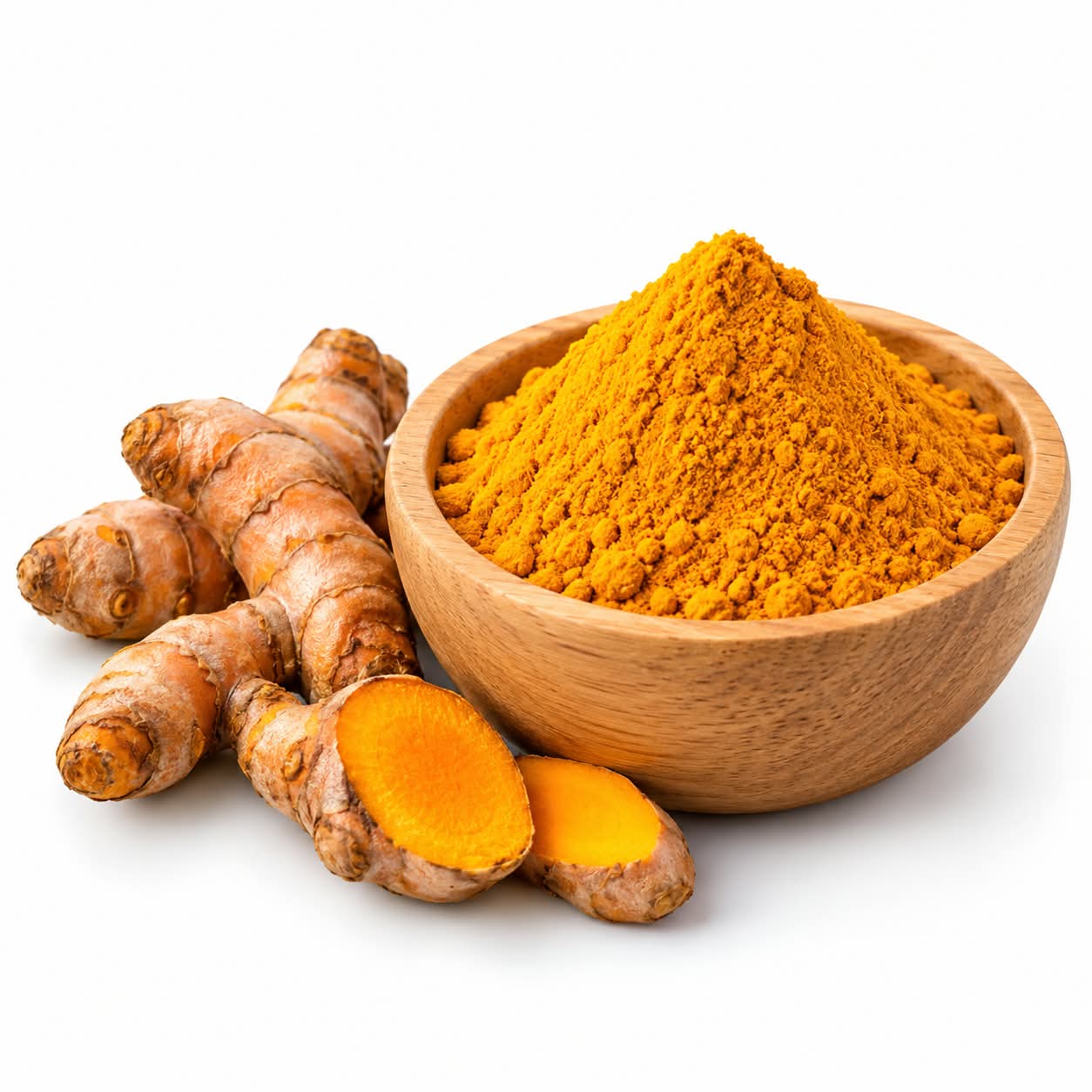
Long turmeric, or turmeric, is not just a spice but a true treasure trove of natural beneficial compounds. Turmeric’s main treasure is curcumin, a polyphenol that scientific research attributes with pronounced antioxidant, anti-inflammatory, immunomodulatory, and cancer-protective properties. Organic turmeric powder is nature’s concentrated power, designed to support your overall well-being.
Benefits
- Powerful antioxidant protection: Neutralizes free radicals, slowing the aging process and supporting cell health, unlike synthetic alternatives that may contain unwanted additives.
- Natural anti-inflammatory action: Helps reduce inflammation in the body, supporting joint, respiratory, and digestive health without the side effects associated with some pharmaceutical drugs.
- Immune support: Stimulates the body’s defenses, increasing its resistance to infections and adverse factors by modulating both innate and adaptive immunity.
- Digestive system support: Benefits gastrointestinal function, helping normalize digestion and support liver health by protecting it from toxic effects and promoting recovery.
- Heart and blood vessel care: Helps maintain normal cholesterol levels, supports vascular health, and promotes normal circulation, reducing the risk of atherosclerosis and thrombosis.
- Joint health support: Helps reduce discomfort and improve joint mobility in arthritis and osteoarthritis by acting on inflammatory cytokine signaling pathways.
- Broad-spectrum antimicrobial activity: Shows activity against various bacterial and fungal infections, including those affecting the skin, mucous membranes, and internal organs.
Overview
Curcumin and other active compounds in turmeric (turmerones, atlantone, and zingiberene) act at the cellular level. They help protect cells from oxidative stress, one of the main causes of aging and the development of many chronic diseases. This protection is especially important for the liver, heart, brain, and joints. Turmeric helps improve lipoprotein oxidation, prevents lipid peroxidation, and stabilizes cell membranes. Studies show that curcumin can inhibit the activity of enzymes involved in inflammatory responses (COX-2, lipoxygenase), making it an effective natural option for easing inflammatory conditions, such as joint or respiratory diseases. Turmeric’s effectiveness against inflammation is comparable to, and in some cases exceeds, that of conventional treatments, without causing their characteristic side effects.
An important aspect of turmeric’s action is its ability to modulate the immune response, enhancing both cellular and humoral responses. This helps the body more effectively combat a wide range of pathogens, including bacteria, viruses, and fungi. Turmeric has demonstrated activity against pathogens such as Helicobacter pylori, Staphylococcus aureus, Escherichia coli, and various types of fungi, including Aspergillus and Candida. This makes it a valuable component for prevention and support during infectious diseases of various causes. Turmeric is also being studied for its neuroprotective properties, its potential to improve cognitive function, and its ability to support brain health, including during age-related changes and periods of intense mental activity.
Turmeric is also known for its hepatoprotective activity, protecting the liver from damage caused by toxins, alcohol, or poor nutrition and supporting its recovery. It helps normalize blood lipid levels, which is important for preventing cardiovascular disease. Its antiparasitic properties are also used in traditional medicine. Research indicates that curcumin may affect various cellular signaling pathways associated with cell growth and development, making it a subject of study in the context of cancer prevention and comprehensive support for people with cancer.
Who it’s for
- People seeking a natural way to support immunity and strengthen the body’s defenses, especially during seasonal illness or when feeling run down.
- People with chronic inflammatory conditions, including joint diseases (arthritis, osteoarthritis), seeking symptom relief and improved quality of life.
- People who care about digestive health and want to support liver and biliary tract function, as well as normalize gut microbiota.
- People looking to protect their bodies from oxidative stress and premature aging.
- People who want to support cardiovascular health, normalize cholesterol levels, and improve vascular health.
- People experiencing skin problems associated with fungal or bacterial infections (as part of a comprehensive approach).
- People who care about genitourinary health and are looking for natural preventive and supportive options.
- People who smoke, those prone to chronic gastrointestinal diseases, and people at risk of cancer or cardiovascular disease.
- People who care about eye and hearing health, as curcumin is being studied for its potential beneficial effects on these systems.
- People looking for natural support for the nervous system and to improve cognitive function and memory.
Directions
General recommendations for oral use (powder):
- Preventive dose: 1 gram 3 times a day immediately before meals. Take for 30 days. Repeat courses once every 2 months.
- Standard therapeutic dose (oral): 2 grams 3 times a day immediately before meals. The therapeutic course lasts from 30 to 180 days, depending on the nature and course of the condition.
Preparing an ethanol tincture:
- Mix 100 grams of turmeric powder with 900 ml of a 60-65% hydroalcoholic solution (preferably use highly purified alcohol, such as “Alpha” grade).
- Mix in a glass container in a room away from direct sunlight.
- Steep for 21 days in a dark place, away from sources of electromagnetic radiation, shaking twice daily. Ideally, wrap the container in aluminum or copper foil and ground it, if possible.
- The tincture is ready after 21 days. If needed, strain it through filter paper before use. If you plan to store it for a long time, straining is not recommended.
- Use: orally, topically, or as an ingredient in other preparations. Standard single oral dose: 10-15 ml; it can be diluted with clean water.
Preparing an oil infusion:
- Use 200 grams of turmeric powder per 800 ml of cold-pressed oil.
- Mix in a wide-necked glass container, in a room away from direct sunlight.
- Steep for 40 days in a dark place, away from sources of electromagnetic radiation, stirring twice daily. Ideally, wrap the container in aluminum or copper foil and ground it, if possible.
- The infusion is ready after 40 days.
- Choose the type of oil according to the intended use:
- For vaginal use: organic sea buckthorn seed oil.
- For rectal use: cocoa bean oil.
- For oral use: organic coconut oil (universal).
Preparing an ointment:
- Use a previously prepared turmeric oil infusion.
- In a glass or ceramic dish (do not use metal), heat the oil infusion to 60-65 degrees Celsius.
- Gradually add pharmacopoeial beeswax or “zabrus” to the infusion, stirring constantly until the desired consistency is reached.
- For topical use (skin): a thicker consistency.
- For vaginal tampons: a thinner consistency.
- Standard wax-to-oil ratio: 1:3 to 1:9. When using candelilla (vegetable) wax, reduce the amount compared with beeswax.
Preparing a water extract:
- Prepare a thermos with a glass or ceramic insert. Make sure the stopper has no metal parts that come into contact with the infusion.
- Use good-quality water: spring, well, or distilled (freeze and thaw distilled water first, then use the meltwater).
- In a ceramic or glass vessel, heat the water to the “white key” stage (when many bubbles rise from the bottom, making the water look white just before boiling). Remove from the heat.
- Immediately pour the water into the thermos, which should already contain the turmeric powder. Standard ratio: 1 part powder to 10 parts water.
- Steep in the thermos for 5 hours.
- Do not filter the contents of the thermos. Filter only a single dose before oral use, using a suitable filter (filter paper, clean cloth, sterile gauze).
- Standard oral dose of the infusion for mild conditions: 25 to 30 ml per dose.
Additional information
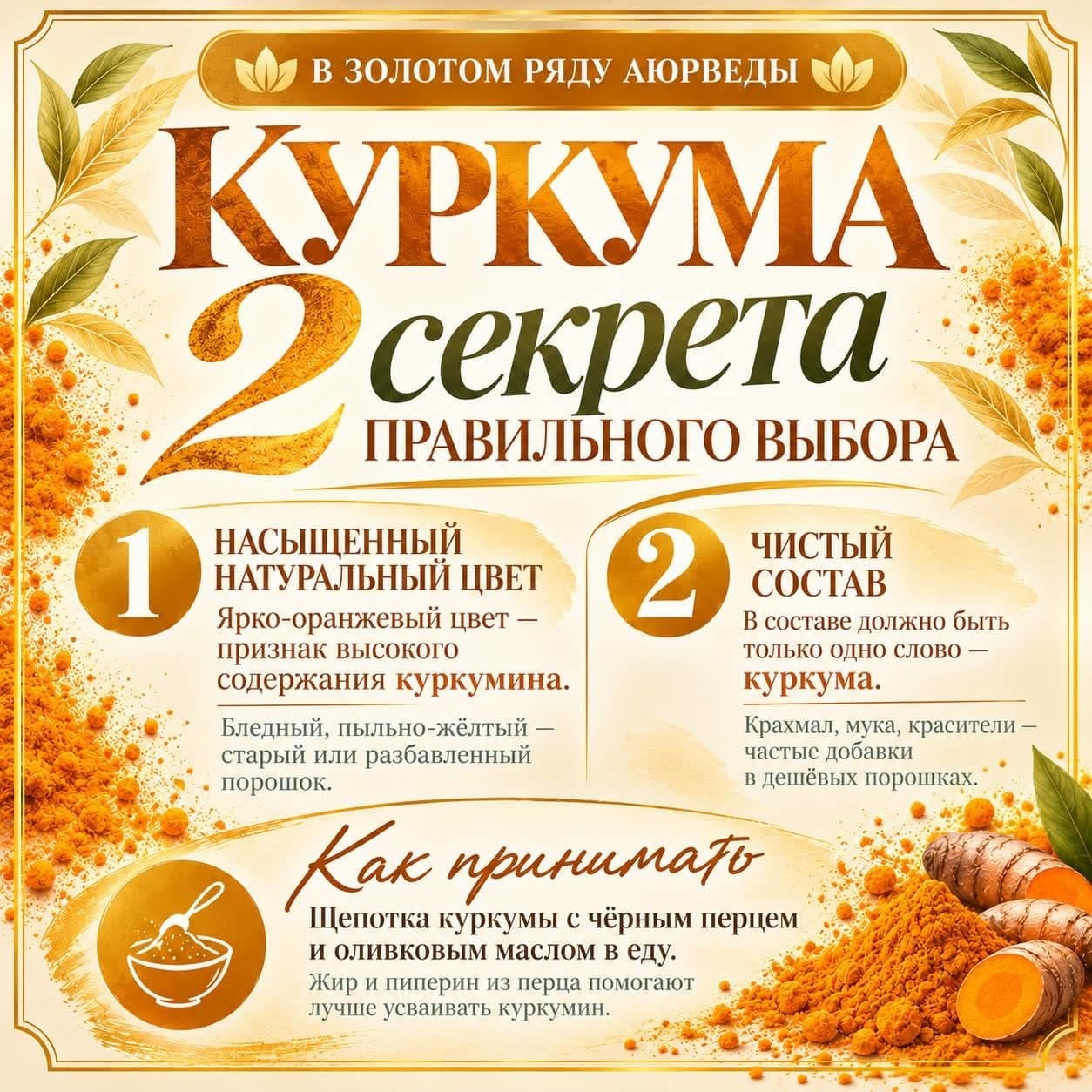
Ingredients: Organic long turmeric (Curcuma longa) powder – 100%.
Antioxidant activity: Bioactive plant compounds in turmeric help support health and slow the aging process. Studies show that alcoholic extracts of turmeric have higher antioxidant activity than water-based extracts. Curcuminoids improve lipoprotein oxidation, prevent lipid peroxidation, and stabilize cell membranes, which is important for preventing atherosclerosis and supporting the health of the liver, pancreas, and intestines.
Antifungal activity: Curcuma Longa has traditionally been used to treat skin and mucous membrane conditions. Ar-turmerone, a compound found in turmeric oil, has demonstrated high efficacy against dermatophytes, outperforming some synthetic medicines. Studies confirm curcumin’s effectiveness against various fungal infections, including Aspergillus flavus, Aspergillus niger, Aspergillus parasiticus (an aflatoxin producer associated with the risk of liver carcinoma), Curvularia lunata, and Fusarium oxysporum (a fumonisin producer associated with the risk of kidney and liver disease). This points to turmeric’s potential in preventing and treating diseases caused by fungal infections, including those that may be mistaken for allergic reactions.
Support for ophthalmic conditions: Studies have shown that Curcuma Longa extract may have beneficial effects in some eye conditions, such as pterygium, by promoting apoptosis (programmed cell death) in altered cells.
Antibacterial activity: Long turmeric has demonstrated activity against a broad range of bacteria, including Fusobacterium nucleatum and Prevotella intermedia (associated with oral diseases), Helicobacter pylori (a cause of gastritis and ulcers), Bacillus cereus, Staphylococcus aureus, Escherichia coli, Pseudomonas aeruginosa, and others. This means turmeric-based preparations may be considered for prevention and support during bacterial infections.
Support for musculoskeletal conditions: Turmeric has traditionally been used to treat joint conditions. Clinical studies show that turmeric extract affects signaling by pro-inflammatory cytokines, demonstrating anti-arthritic and joint-protective effects. Treatment with turmeric-based preparations may significantly reduce joint swelling in rheumatoid arthritis.
Neuroprotective properties: Research indicates that turmeric may have neuroprotective effects, increase neurogenesis, and reduce neuronal loss and inflammation in nervous tissue. This may be beneficial in conditions associated with epilepsy, depression, and neurodegenerative diseases, including dementia. Turmeric’s antioxidant activity is also important for protecting the brain during ischemic conditions, helping reduce brain swelling and nitric oxide production.
Important: This information is provided for educational purposes only and is not medical advice.
| Weight | N/A |
|---|