













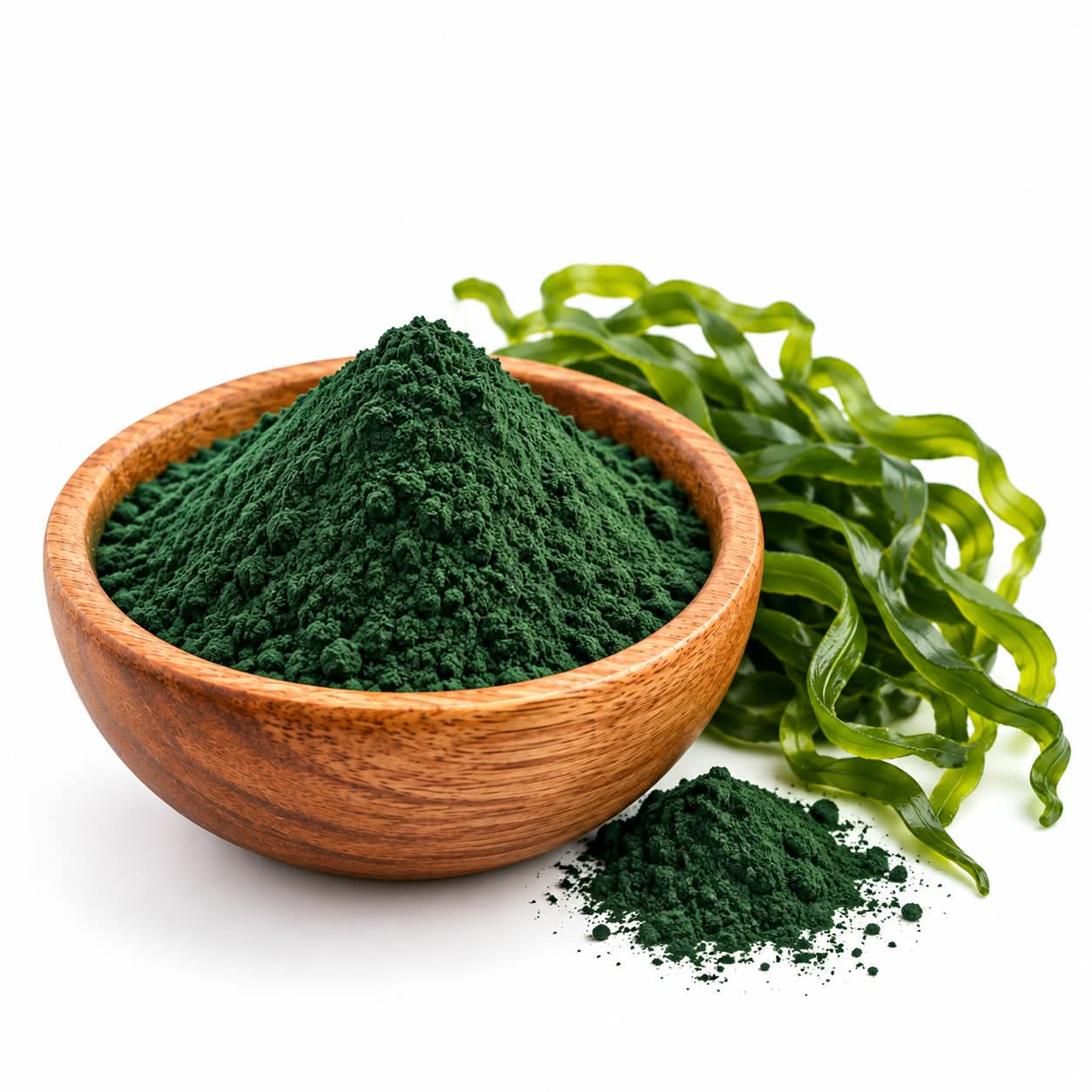
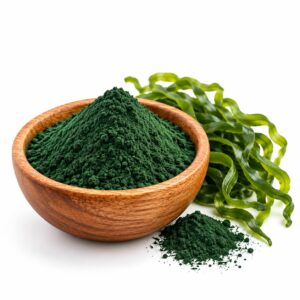
Organic Spirulina (Powder) Organic Spirulina Powder
Price range: 159 ฿ through 643 ฿
Delivery from Thailand takes 10 to 20 days. To find out the price, go to the cart.
Our prices, selection, and fresh products are worth waiting a couple of weeks for.
Be the first to hear about discounts, special offers, and new arrivals—leave us your email address.




SPIRULINA POWDER is a 100% natural powder made from the blue-green spirulina algae—a true concentration of benefits for your body. This superfood can help support immunity, normalize digestion, cleanse the body of toxins, and energize you with natural vitality.
Benefits
- Powerful immune support: Activates the body’s defenses and helps it resist infections by modulating immune functions.
- Supports normal digestion: Improves intestinal function, promotes healthy digestion, and helps maintain a balanced microbiome.
- A source of complete protein: Contains 51% to 71% easily digestible plant protein, including all the essential amino acids needed to build cells.
- Exceptionally rich in vitamins and minerals: Provides the body with vitamins (A, C, D, E, and B vitamins), iron (34 times more than spinach), calcium, magnesium, selenium, zinc, and other essential trace minerals.
- Natural detox support and antioxidant protection: Helps eliminate toxins and protects cells from free-radical damage thanks to its high content of phycocyanin, chlorophyll, and beta-carotene (25 times more than carrots).
- Boosts energy and vitality: Promotes overall well-being, helps you feel energized, and supports the body in dealing with fatigue.
- Spirulina is a source of plant protein and valuable nutrients. It may help promote satiety, healthy lipid metabolism, and weight management.
- Versatile use: Ideal for oral use as a dietary supplement, as well as for making effective face and body masks.
Product overview
Discover the power of spirulina—a unique blue-green alga (Arthrospira) recognized as one of the most nutrient-rich foods on the planet. Its benefits were known to the Aztecs and the peoples of Mesoamerica, and in modern times spirulina has even been used by NASA as a dietary supplement for astronauts. This remarkable superfood has a comprehensive effect on the body: it supports immunity, contributes to blood cell formation, and promotes intestinal function.
The key active component in spirulina is phycocyanobilin (about 1% of its mass), which has pronounced anti-inflammatory properties, suppressing histamine release and modulating immune functions. Studies have shown that spirulina intake may significantly reduce IL-4 levels, offering a therapeutic effect for allergic rhinitis.
Spirulina is more than just an alga—it is a treasure trove of beneficial nutrients. It contains an impressive amount of protein (up to 71%), all essential amino acids, a wide range of vitamins (A, C, D, E, B1, B2, B3, B6, B9), minerals (potassium, calcium, chromium, copper, iron, magnesium, manganese, phosphorus, selenium, sodium, zinc), and valuable fatty acids, including gamma-linolenic acid (GLA). Its variety of pigments, such as beta-carotene, chlorophyll, and xanthophylls, provides powerful antioxidant protection.
Thanks to its unique composition, spirulina supports overall well-being, helps maintain high energy levels, and can be a trusted ally on your journey toward good health and longevity.
Who it’s for
- People looking to support their immunity and increase the body’s resistance to adverse factors.
- Those who want to improve digestive function, normalize metabolism, and support gentle detoxification.
- Athletes and people with active lifestyles, to help restore energy, improve endurance, and provide high-quality protein.
- Vegetarians and vegans, as a rich source of plant protein, iron, and other important nutrients.
- Those experiencing increased mental or physical demands or stress, or who need additional support for their body.
- Anyone who cares about their health, seeks natural sources of nutrients, and wants to promote active longevity.
- Those looking to improve their skin using spirulina to make natural cosmetic masks.
Directions
For oral use:
- The recommended daily serving for adults is 1-2 teaspoons (approximately 3-5 grams) of spirulina powder.
- Stir the powder into a glass of water or juice, or add it to smoothies, yogurt, porridge, or other non-hot foods and drinks.
- Start with a smaller amount (for example, 0.5 teaspoon) and gradually increase it over several days to the recommended serving.
- The duration of use may vary. Consult a healthcare professional for guidance on how long to take it.
For cosmetic use:
- Use spirulina powder to make face and body masks.
- Mix the powder with water, hydrosols, carrier oils, clay, honey, yogurt, or other natural ingredients to form a smooth paste.
- Apply to clean skin, avoiding the eye area. Leave on for 15-20 minutes (or as directed by the recipe), then rinse with warm water.
- Before using a spirulina cosmetic mask for the first time, perform a patch test on a small area of skin.
Additional information
Composition and nutritional value:
Dried spirulina contains 51% to 71% complete protein, including all essential amino acids. Lipid content is about 7%, including gamma-linolenic acid (GLA), alpha-linolenic acid (ALA), linoleic acid (LA), stearidonic acid (SDA), eicosapentaenoic acid (EPA), docosahexaenoic acid (DHA), and arachidonic acid (AA). Vitamins: B1 (thiamine), B2 (riboflavin), B3 (nicotinamide), B6 (pyridoxine), B9 (folic acid), C, D, A, E. Minerals: potassium, calcium, chromium, copper, iron, magnesium, manganese, phosphorus, selenium, sodium, zinc. Pigments: beta-carotene, zeaxanthin, chlorophyll A, xanthophyll, echinenone, myxoxanthophyll, canthaxanthin, diatoxanthin, 3′-hydroxyechinenone, beta-cryptoxanthin, oscillaxanthin, phycobiliproteins (C-phycocyanin and allophycocyanin).
Scientifically supported properties and traditional use:
Two types of blue-green algae are primarily marketed under the commercial name “Spirulina”: Arthrospira Platensis and Arthrospira Maxima. Spirulina has traditionally been harvested in Chad, pressed into cakes called “Dihé” for eating and making soups. Numerous studies support a broad range of spirulina’s properties:
- Antiviral activity: Studies have shown that calcium spirulan (Ca-Sp), a sulfated polysaccharide and active component of spirulina water extract, effectively inhibits the replication of some enveloped viruses, including herpes simplex virus type I, human cytomegalovirus, measles virus, mumps virus, influenza A virus, and HIV (in vitro).
- Cardiovascular support: Indian studies have shown that spirulina supplements may help reduce blood cholesterol, triglycerides, and LDL cholesterol while increasing HDL cholesterol in patients with coronary artery disease.
- Supports recovery: Spirulina has been found effective in supporting recovery from damage caused by radiation therapy and chemotherapy, as well as after stroke. Spirulina may be beneficial for age-related changes, memory decline, diabetes, amyotrophic lateral sclerosis, and hay fever.
- Antibacterial properties: Spirulina (Arthrospira) can inhibit the growth of certain gram-negative bacteria (E. coli, Pseudomonas aeruginosa, Proteus vulgaris) and gram-positive bacteria (Staphylococcus aureus, Bacillus subtilis) through the production of extracellular metabolites.
- Antioxidant protection: Studies have confirmed spirulina’s antioxidant activity in cases of poisoning from carbon tetrachloride, arsenic, mercury chloride, chromium, cadmium, fluoride, the insecticide deltamethrin, and certain antibiotics.
Spirulina in cosmetology may help:
- accelerate skin cell regeneration and renewal;
- provide a lifting effect and restore skin firmness and elasticity;
- prevent the appearance of fine lines;
- even out skin tone and give it a radiant appearance;
- improve oxygenation of skin cells;
- improve overall facial skin tone;
- provide antioxidant effects that help prevent skin aging and protect against environmental stressors;
- help minimize enlarged pores, normalize sebum production, and reduce acne.
Spirulina in dermatological research:
- A study (Jang Y. A., Kim B. A., South Korea, 2021) found that phycocyanin from spirulina increases the survival of UVB-irradiated skin cells (keratinocytes) and reduces the expression of collagen-degrading enzymes (MMPs) and the number of free radicals. This may help prevent UV-induced skin aging.
- A study (Ilieva Y., et al., Bulgaria, 2024) confirmed spirulina’s antimicrobial properties, particularly against Staphylococcus aureus.
- A study (Ikeda I. K., et al., Brazil, 2022) highlights that fatty acids in spirulina (stearic, arachidonic, and linoleic acids) have excellent anti-inflammatory and antioxidant properties, helping soothe inflammation and improve the condition of problem areas of skin.
Contraindications and precautions for cosmetic use of spirulina:
- Individual allergic reactions (irritation, itching, redness) are possible. Discontinue use immediately if these occur.
- Spirulina contains iodine. People with an overactive thyroid or other conditions related to excess iodine should use spirulina cosmetics with caution, especially on large areas of the body or when using body wraps.
- When choosing ready-made spirulina cosmetics, check the full product ingredients and consider your skin type and individual needs.
- Before using any new cosmetic product or ingredient, including spirulina, for the first time, it is recommended to perform a patch test on a small area of skin.
General recommendations: Consult a doctor before taking spirulina orally, especially if you have a chronic condition, are pregnant or breastfeeding, or take medication.
A common question is whether spirulina and chlorella are the same thing. Both are microalgae superfoods with rich phytochemical profiles, but they have different properties and may serve different purposes in the body. While spirulina, for example, is valued for its high content of easily digestible protein and gamma-linolenic acid, chlorella stands out for its record-high chlorophyll content, making it an ideal choice for detoxification and cleansing. Chlorella also effectively supports liver health, helps improve digestion, relieve constipation, and may provide support for degenerative diseases of the muscular and nervous systems. In addition, it helps normalize blood sugar levels, reduce appetite, and combat insulin resistance, which can be relevant for weight management.
Using chlorella alongside spirulina: Chlorella and spirulina are two unique microalgae, each with its own range of valuable nutrients. They can complement each other, and taking them together is sometimes recommended to achieve maximum synergistic effects and a balance of nutrients. A 2:1 ratio (spirulina to chlorella) is often used, but the choice of algae or their combination should depend on your individual needs and wellness goals.
| Weight | 100 g |
|---|
Only logged in customers who have purchased this product may leave a review.
Reviews
There are no reviews yet.