














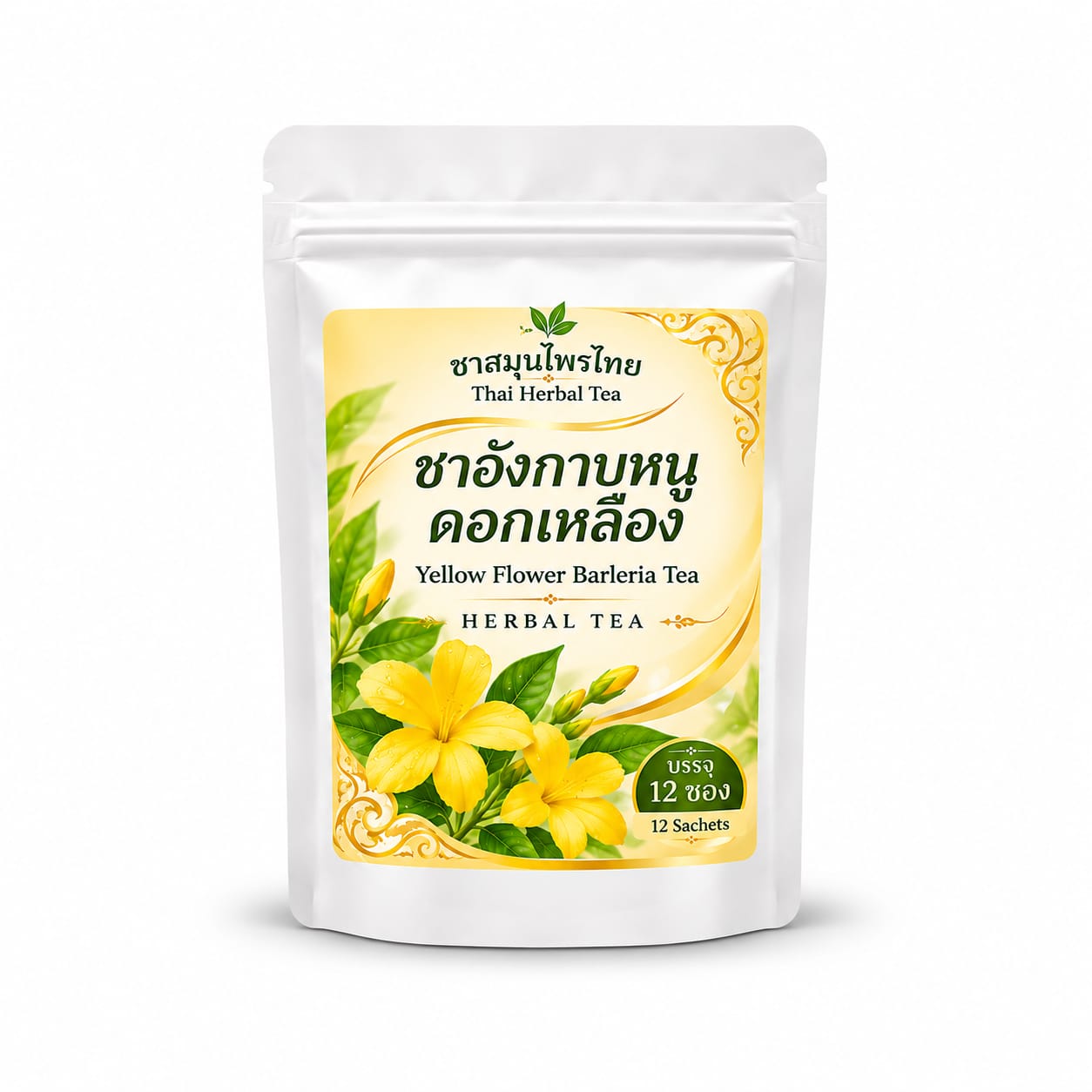
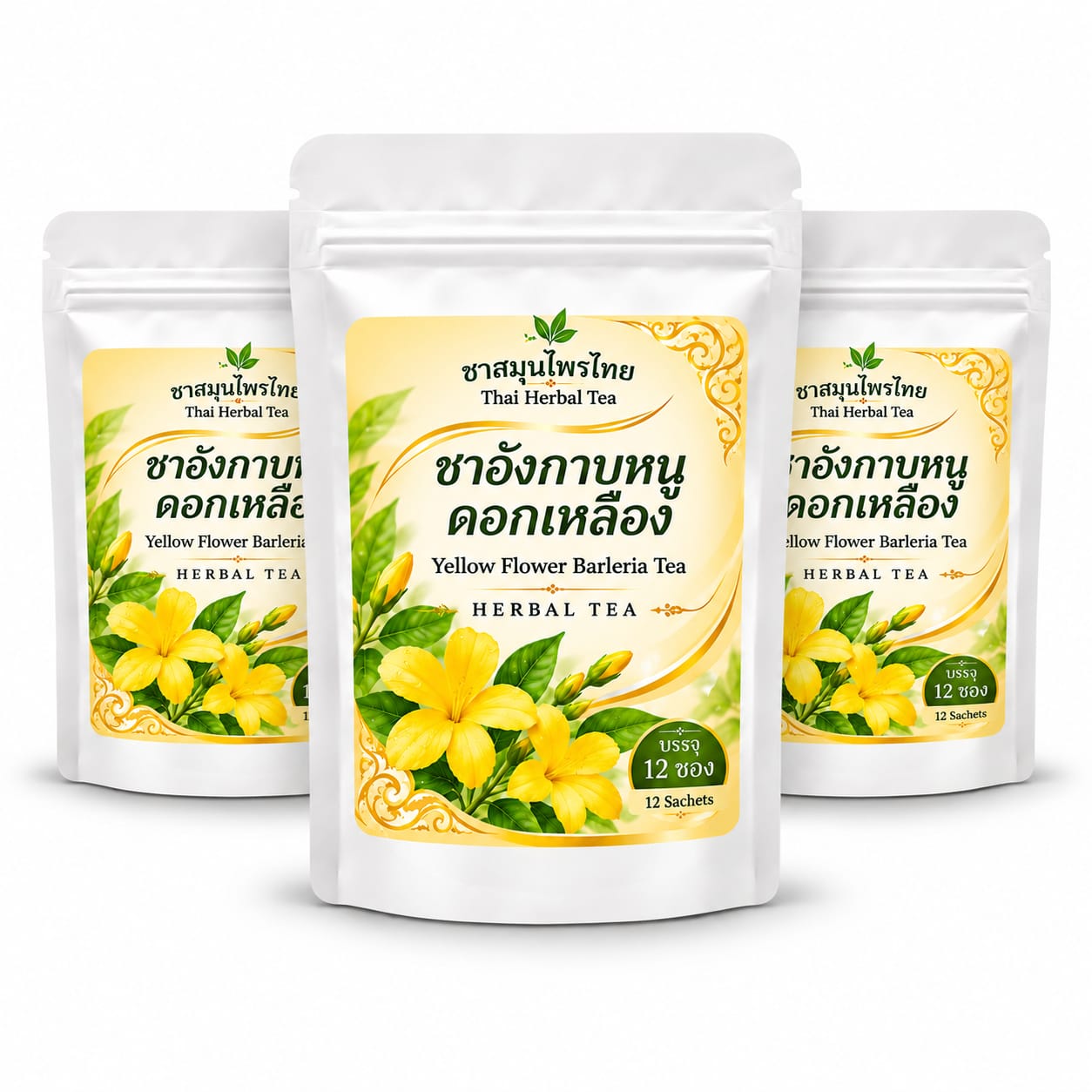
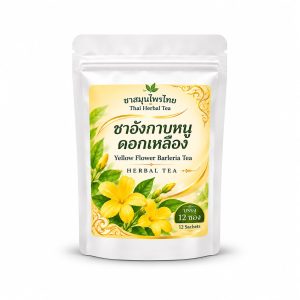
Angkab Nu Thai Tea from the Rare Yellow Barleria Plant (Barleria prionitis L)
Price range: 4,59 $ through 11,82 $
Delivery from Thailand takes 10 to 20 days. To find out the price, go to the cart.
Our prices, selection, and fresh products are worth waiting a couple of weeks for.
Be the first to hear about discounts, special offers, and new arrivals—leave us your email address.




Angkab Nu – for supporting the body’s natural defenses and antioxidant protection
A natural herbal blend made from the rare tropical plant Barleria prionitis helps the body cope with oxidative stress while supporting the normal function of the respiratory tract, joints, and oral cavity during periods of increased strain.
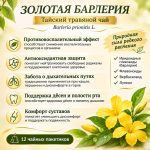
Benefits
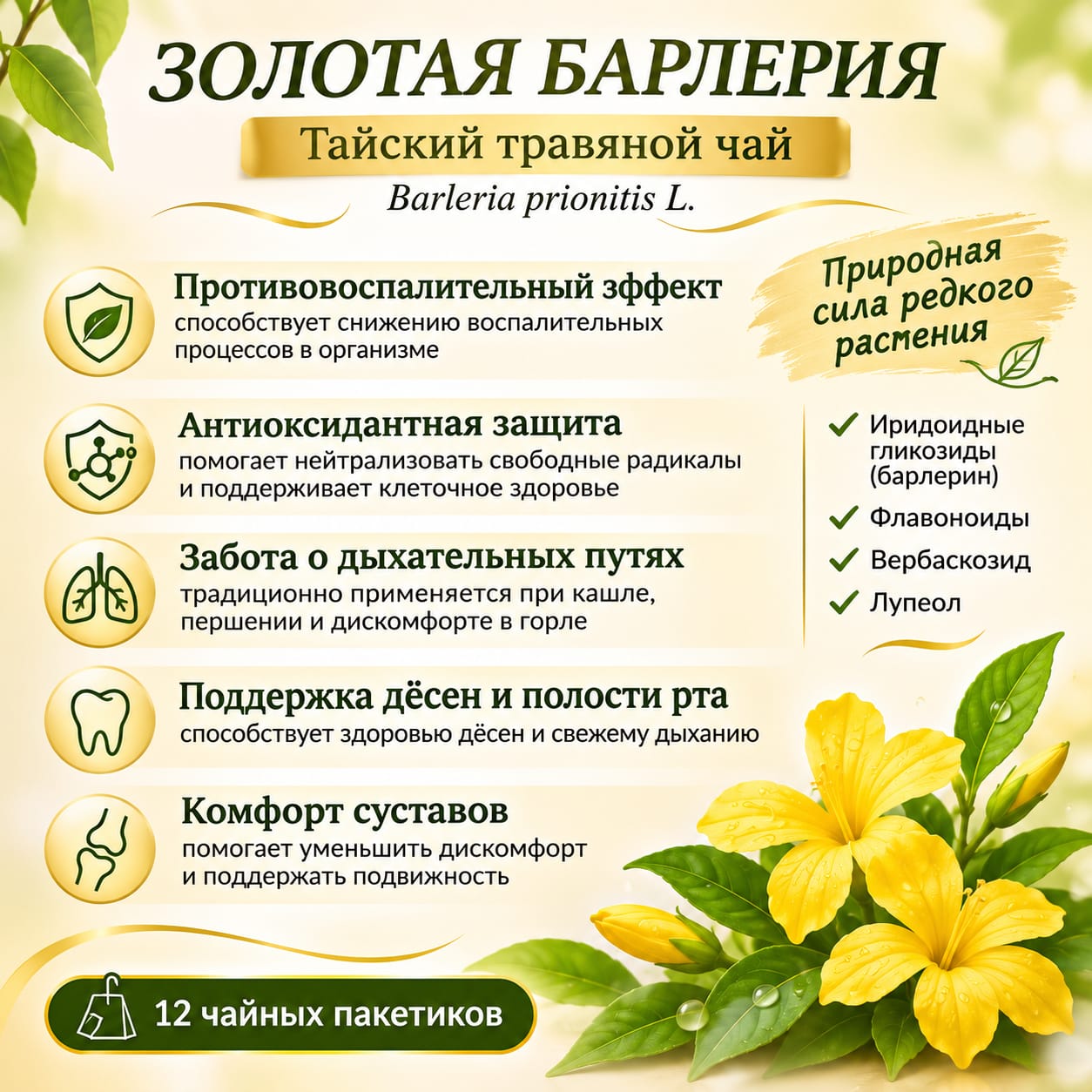
- High antioxidant potential: A complex of verbascoside, scutellarein, and phenolic acids (vanillic and syringic acids) neutralizes free radicals, protecting cell membranes from damage.
- Respiratory tract support: Used as a remedy for coughs, bronchitis, or asthma thanks to its anti-inflammatory properties.
- Natural support during colds: Traditionally helps ease throat irritation and coughs due to the anti-inflammatory properties of iridoid glycosides.
- Care for joints and tissues: Lupeol and beta-sitosterol may help reduce discomfort in muscle tissue and joints after physical activity.
- Comprehensive oral care: Traditionally valued in Eastern practices for supporting gum health, helping maintain fresh breath and a balanced oral microbiome.
- Convenient single-serve format: Tea bags brew quickly, with no need to strain the drink.
Product Description
Yellow barleria (Barleria prionitis L.) is a tropical shrub with golden flowers, highly valued in the herbal traditions of Southeast Asia and Ayurveda, where it is known by the evocative name Vajradanti (“diamond teeth”). This plant-based drink is a balanced natural source of bioactive compounds, intended to support the body’s resilience amid urban living and seasonal temperature changes.
The phytochemical value of Angkab Nu tea lies in its rare combination of iridoids: barlerin, acetylbarlerin, and shanzhiside methyl ester. These compounds have attracted researchers’ attention for their direct effects on the regulation of inflammatory signaling pathways and cellular resilience. Natural flavonoids luteolin and apigenin complement their action, helping harmonize metabolic processes and optimize the cellular response to external irritants.
The tea has a delicate herbal flavor and is gentle on the digestive system. Regularly drinking the infusion during seasonal transitions can help maintain vitality, support the body’s natural defenses against bacterial challenges, and reduce chronic tissue fatigue.
Barleria’s Active Compounds and Their Properties
1. Barlerin
One of the characteristic iridoid glycosides found in barleria.
– Contributes to the antioxidant activity of plant extracts.
– Reduces inflammatory responses.
– Of interest as one of the plant’s chemical markers.
2. Acetylbarlerin
– Exhibits antioxidant activity.
– Contributes to the plant’s complex phytochemical profile.
3. Shanzhiside methyl ester
A natural iridoid glycoside found in various parts of barleria.
– Reduces inflammatory signaling responses.
– Of interest in research on cellular protection.
– One of the plant’s characteristic compounds.
4. Verbascoside (Acteoside)
A phenylethanoid glycoside with notable antioxidant activity.
– Can neutralize free radicals.
– Known for its anti-inflammatory properties.
– Of interest in studies of cellular protection against oxidative damage.
5. Luteolin and its glycosides (luteolin derivatives)
Flavonoids found in the above-ground parts of barleria.
– Can affect inflammatory signaling pathways.
– Have antioxidant properties in experimental systems.
– Of interest in research on cellular defense mechanisms.
6. Apigenin and its glycosides (apigenin derivatives)
– Notable anti-inflammatory effects.
– Exhibit antioxidant activity.
– Studied for their interactions with cellular signaling systems.
7. Scutellarein
A flavonoid found in barleria leaves.
– Has antioxidant potential.
– Studied for its anti-inflammatory properties.
– Complements the plant’s natural polyphenol complex.
8. Lupeol
A plant-derived triterpenoid.
– Studied for its anti-inflammatory activity.
– Of interest in research on skin and joint tissues.
– Has biological activity.
9. Beta-sitosterol (β-Sitosterol)
A natural plant sterol.
– Affects lipid metabolism.
– Has anti-inflammatory potential.
– One of barleria’s additional phytocomponents.
10. Phenolic acids
Vanillic, syringic, and other phenolic acids have been found in barleria.
– Contribute to the antioxidant activity of plant extracts.
– Can interact with free radicals.
– Complement the plant’s natural protective compounds.
Who It’s For
- People who regularly experience throat discomfort or are prone to seasonal cold symptoms.
- People who spend a lot of time in rooms with dry air or air conditioning.
- Those seeking additional antioxidant protection amid environmental stressors and stress.
- Fans of Eastern herbal traditions looking for a caffeine-free alternative to conventional tea.
- People experiencing stiffness or tension in their joints and muscles after physical exertion.
Directions
- Place one tea bag in a cup.
- Pour in 200 ml of hot water (approximately 90–95 °C).
- Steep for 2–3 minutes.
- Remove the tea bag before drinking. Serve warm.
Additional Information
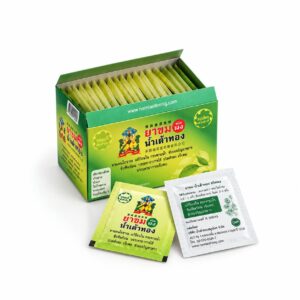
Format: 12 individually wrapped tea bags.
Country of manufacture: Thailand.
Ingredients: 100% crushed, dried parts of the yellow barleria plant (Barleria prionitis L.).
Plant phytochemical profile: barlerin, acetylbarlerin, shanzhiside methyl ester, verbascoside (acteoside), luteolin and apigenin derivatives, scutellarein, lupeol, beta-sitosterol, vanillic and syringic acids.
Important precautions: If pregnant or breastfeeding, or taking prescription medication, consult a doctor before use.
| Weight | 65 g |
|---|---|
| Quantity |
1 pack ,3 packs |
Only logged in customers who have purchased this product may leave a review.

Reviews
There are no reviews yet.